Sexual Health Education Belongs Everywhere, Not Just the Doctor’s Office
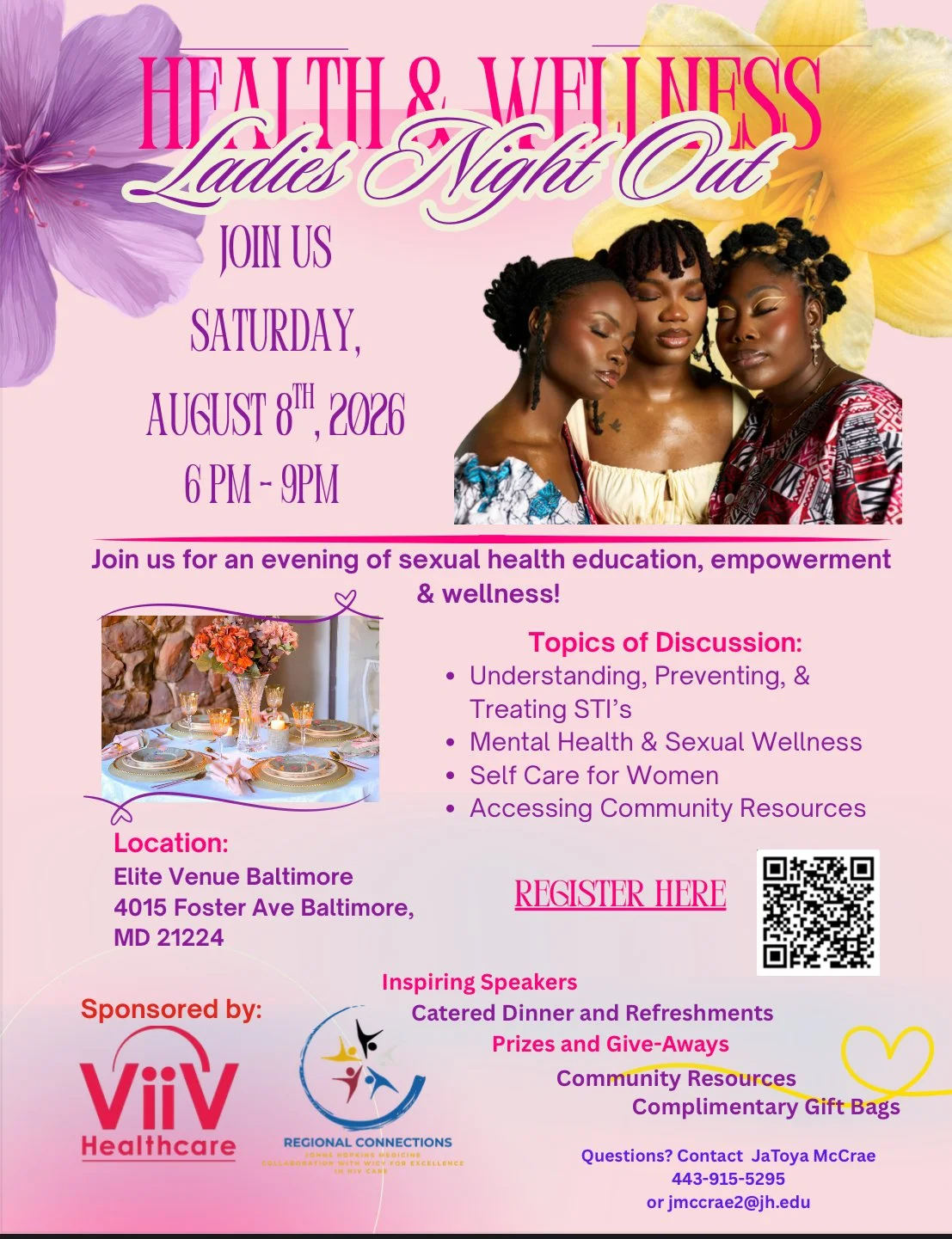
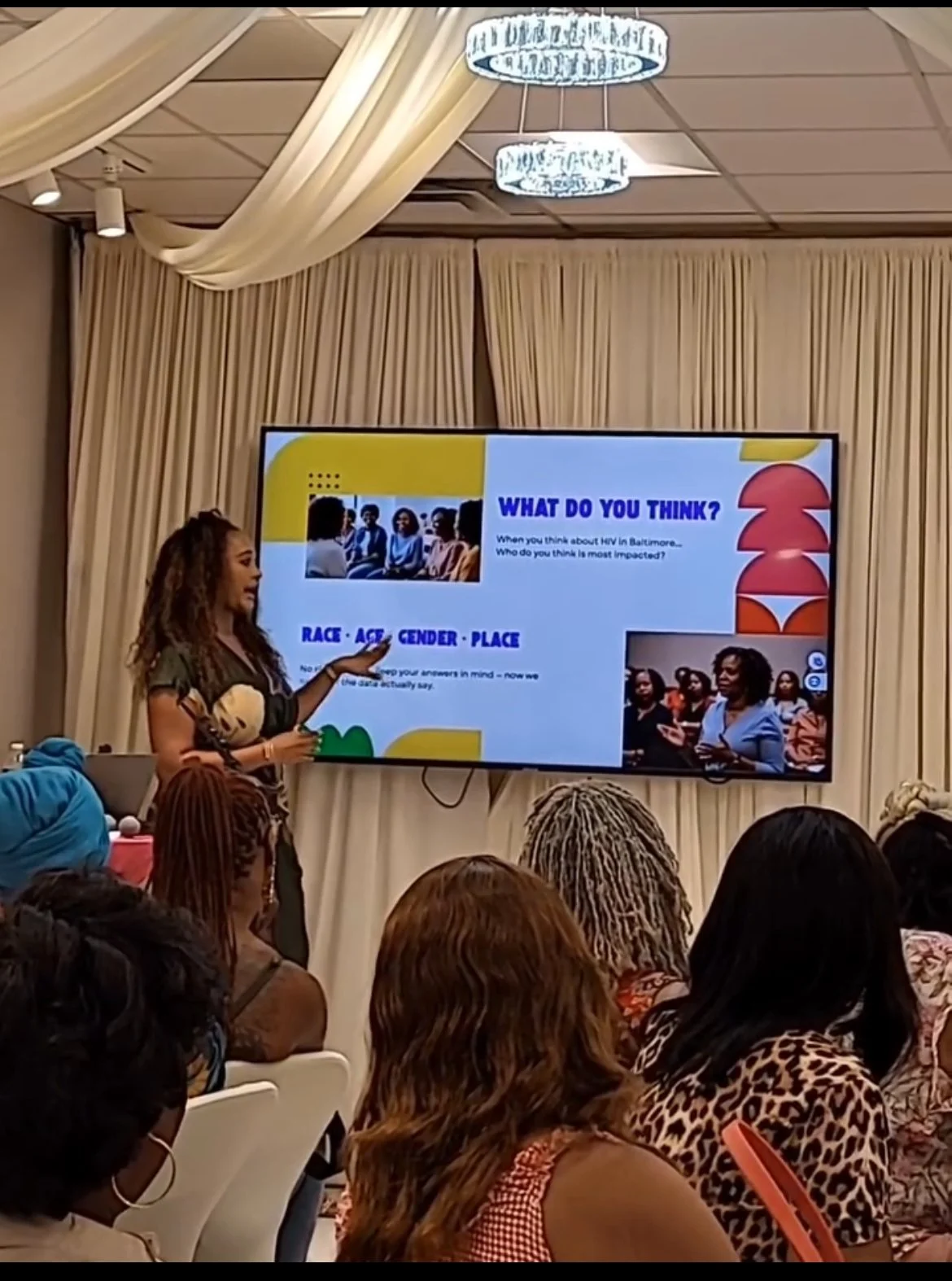
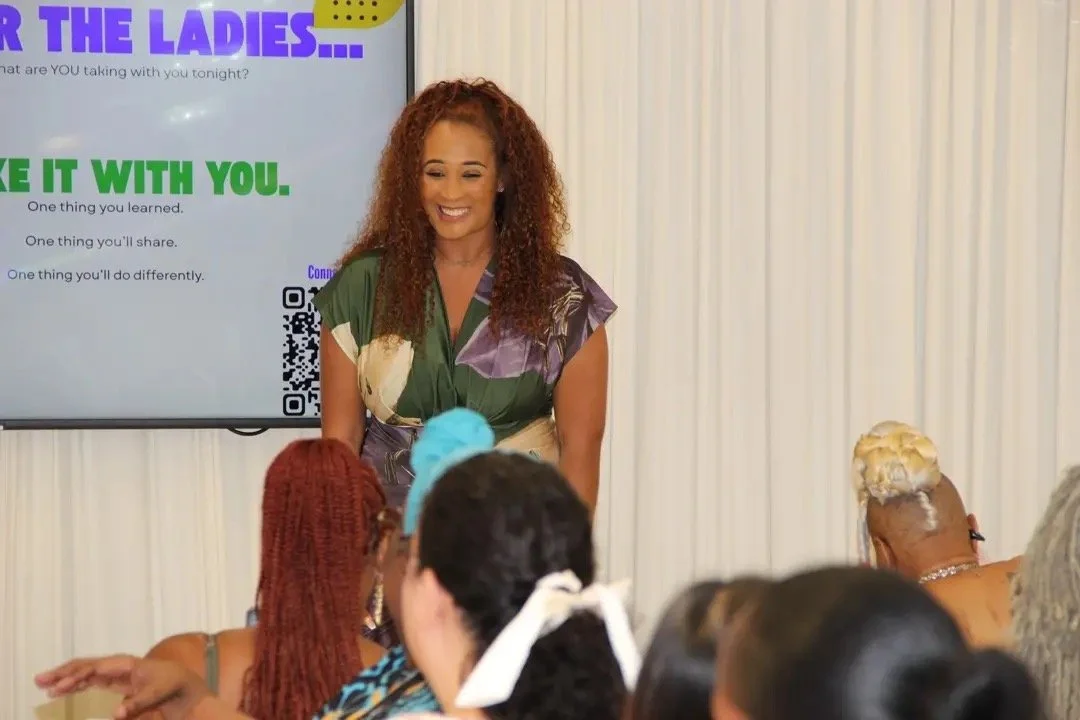
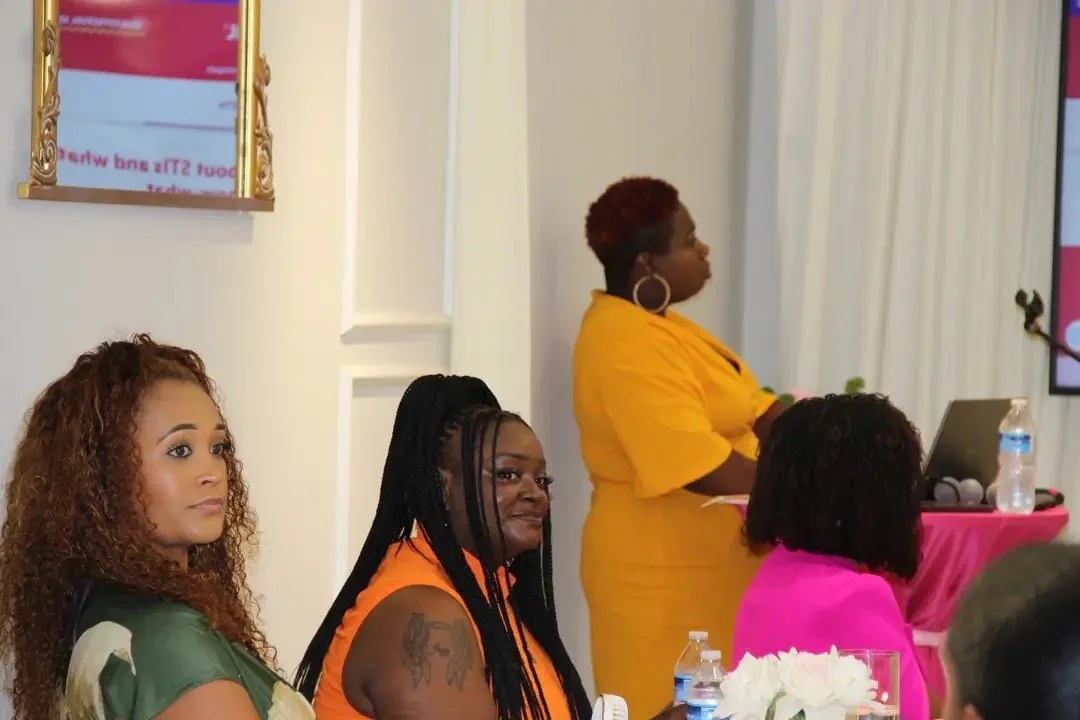
On August 8, 2026, I had the opportunity to join Ladies’ Night Out: Health & Wellness Edition in Baltimore for exactly the kind of public health conversation I believe we need more of.
Not in a clinic. Not in a conference room. Not behind a podium filled with public health jargon.
In community.
The evening brought women together to talk openly about health and wellness, and I had the opportunity to lead a conversation about sexual health, HIV, stigma, prevention, and what these issues actually look like in Baltimore.
Let’s Talk About Sexual Health Differently
One of the things I say often is that sexual health education belongs everywhere, not just in the doctor’s office.
Because by the time someone sits down with a healthcare provider, they have already been exposed to years of messages about sex, HIV, STIs, relationships, prevention, and their bodies. Some of that information is accurate. A lot of it is not.
And stigma can make it even harder to ask questions.
During our conversation, we talked about STI and HIV prevention, what local HIV data tell us about Baltimore, and how factors like age, race, gender, and geography can shape who has access to information, prevention, testing, treatment, and care.
But we also talked about something just as important: sexual health is health.
It is connected to our mental health, relationships, self-care, access to healthcare, and overall well-being. We cannot expect people to make informed decisions about their sexual health if we only talk to them about it when something has gone wrong.
Bringing the Data Into the Room
As an infectious disease epidemiologist, I love data. But data alone do not change communities.
People need to understand what the numbers mean for them.
That is why I believe so strongly in taking public health information out of reports, presentations, and traditional healthcare spaces and translating it into conversations people can actually use.
At Real Health Impact, that means creating room for the questions people really have, challenging stigma without judgment, and making evidence-based information accessible without using fear to convince people to care about their health.
That is where public health gets real.
This Is What Community-Centered Public Health Looks Like
A huge thank you to Jatoya MacCrae for inviting me into this space and for thoughtfully curating an event where women could learn, connect, ask questions, and have honest conversations about their health.
These are the spaces I love being in.
Public health does not only happen in health departments, hospitals, universities, or federal agencies. It happens at community events. It happens in conversations between women. It happens when someone finally feels comfortable enough to ask the question they have been afraid or embarrassed to ask.
And sometimes, making a real health impact starts right there.