You Support Trans People. What Does That Look Like in Practice?
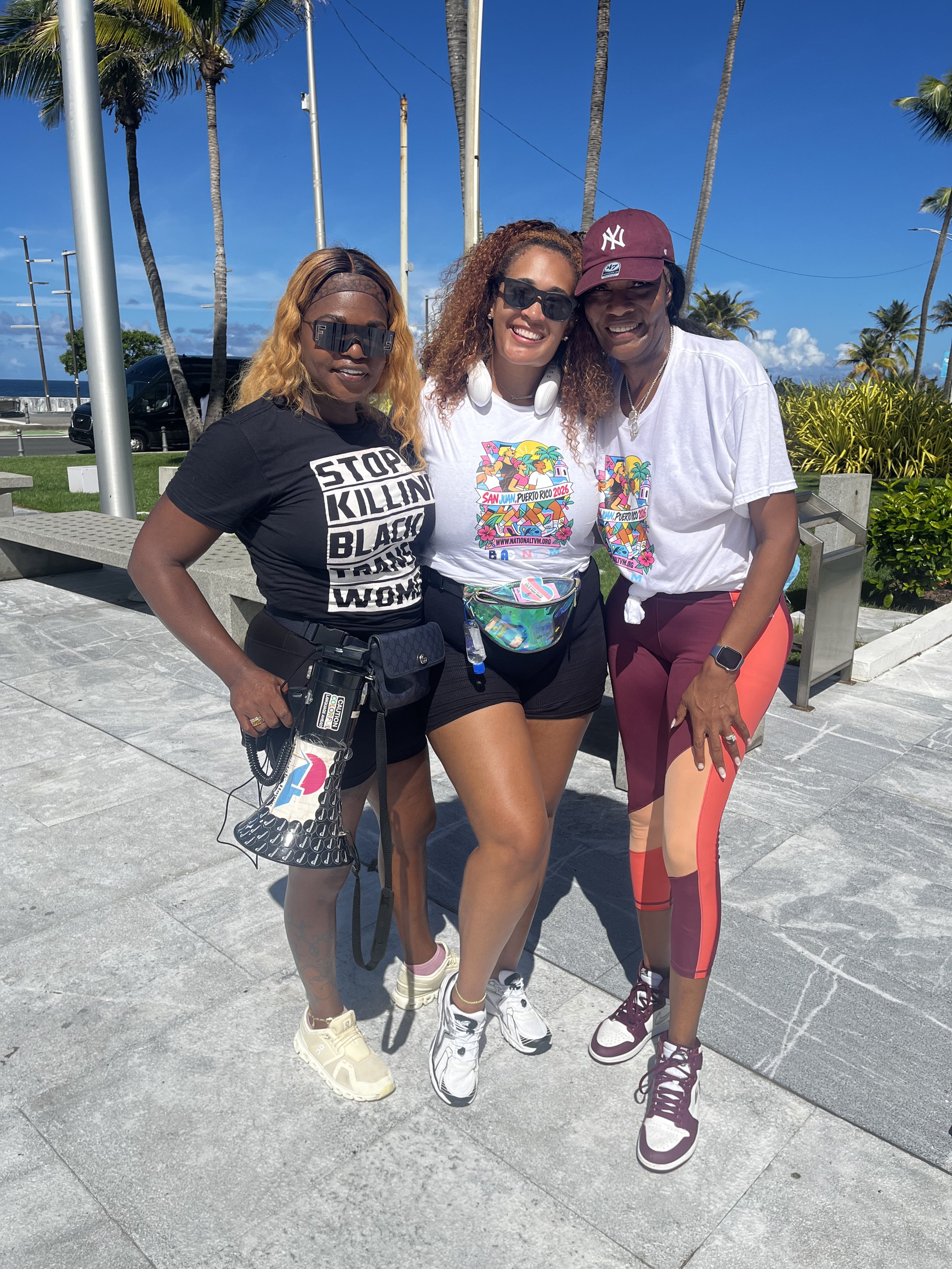


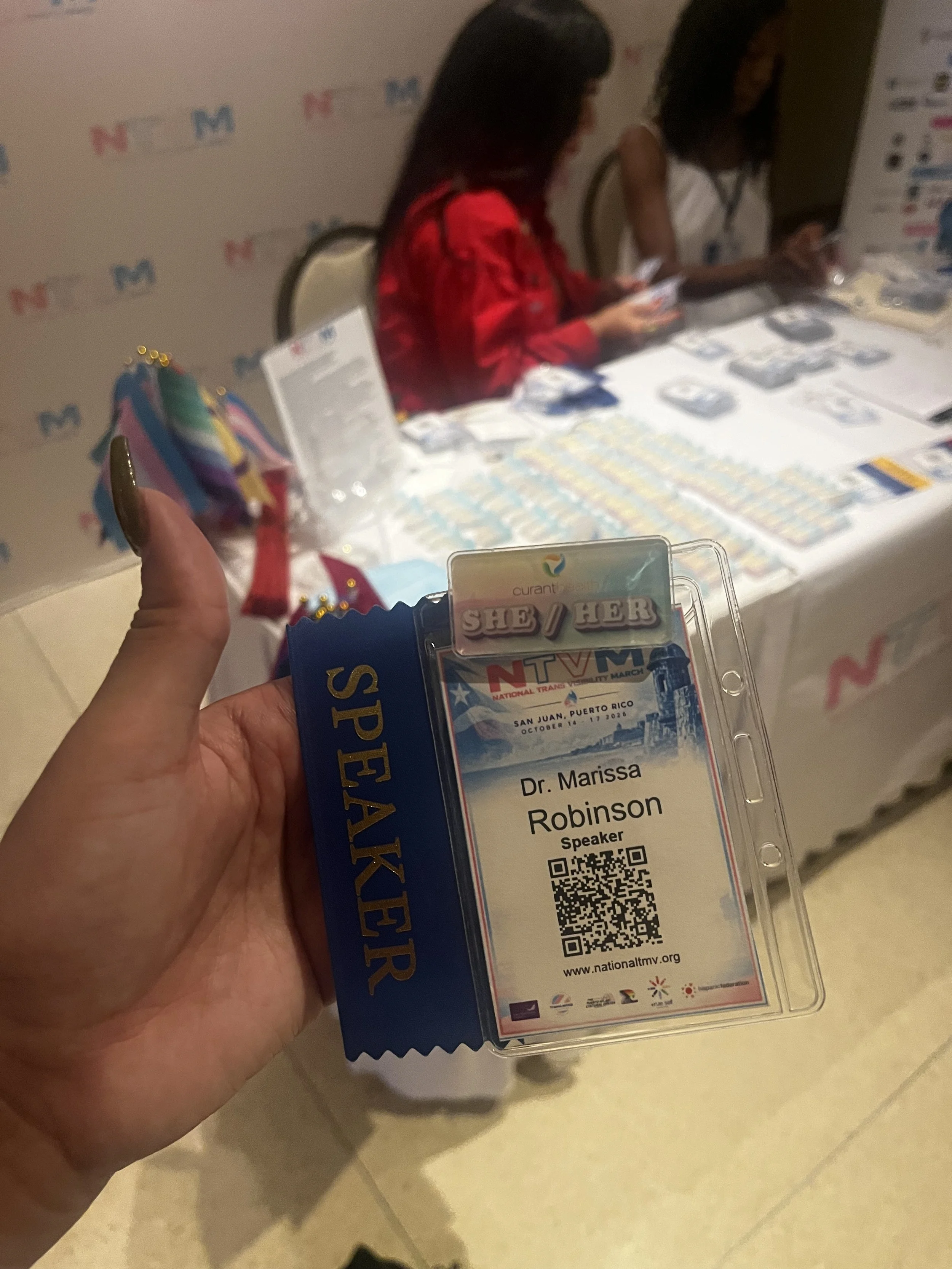
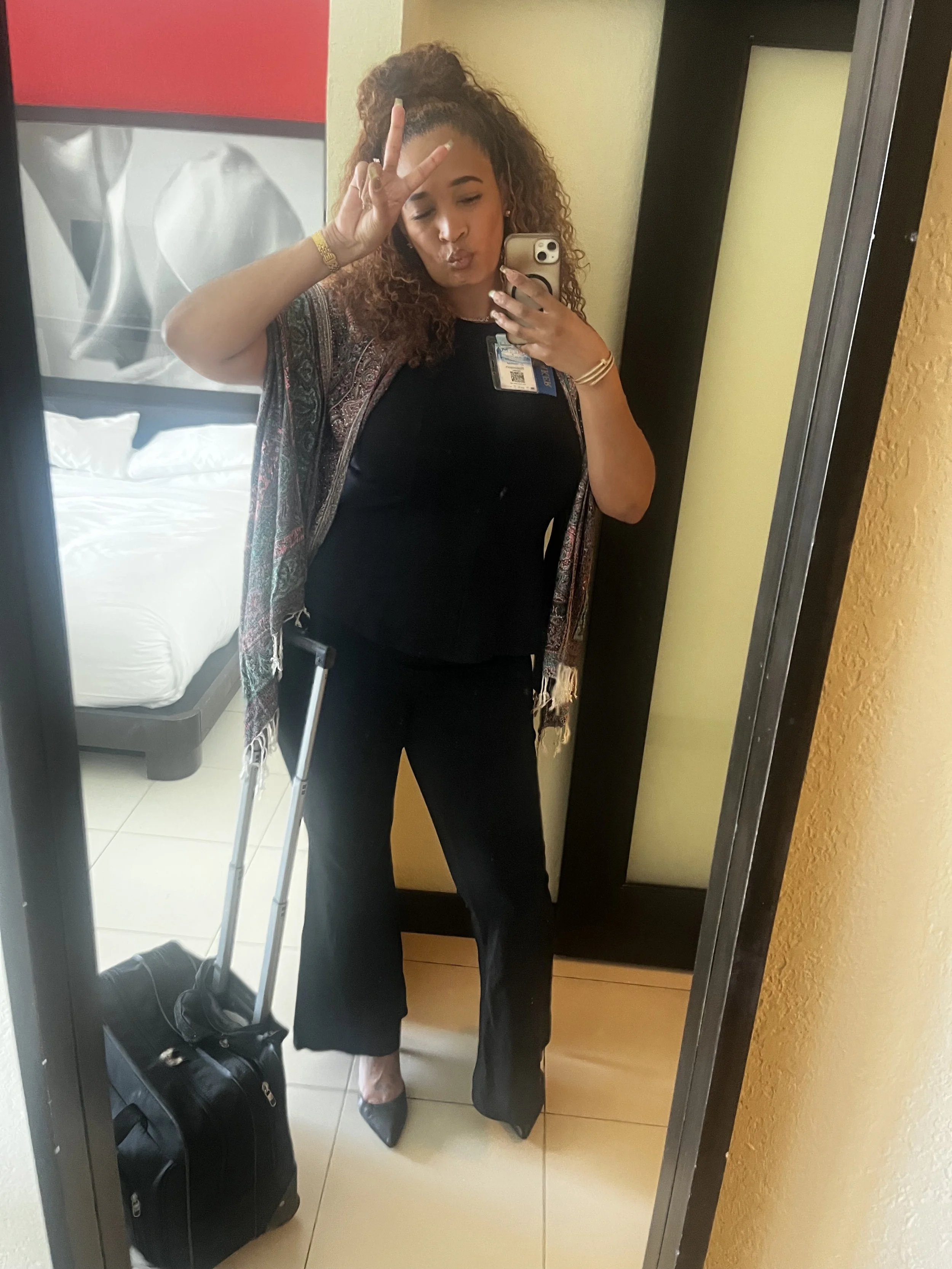

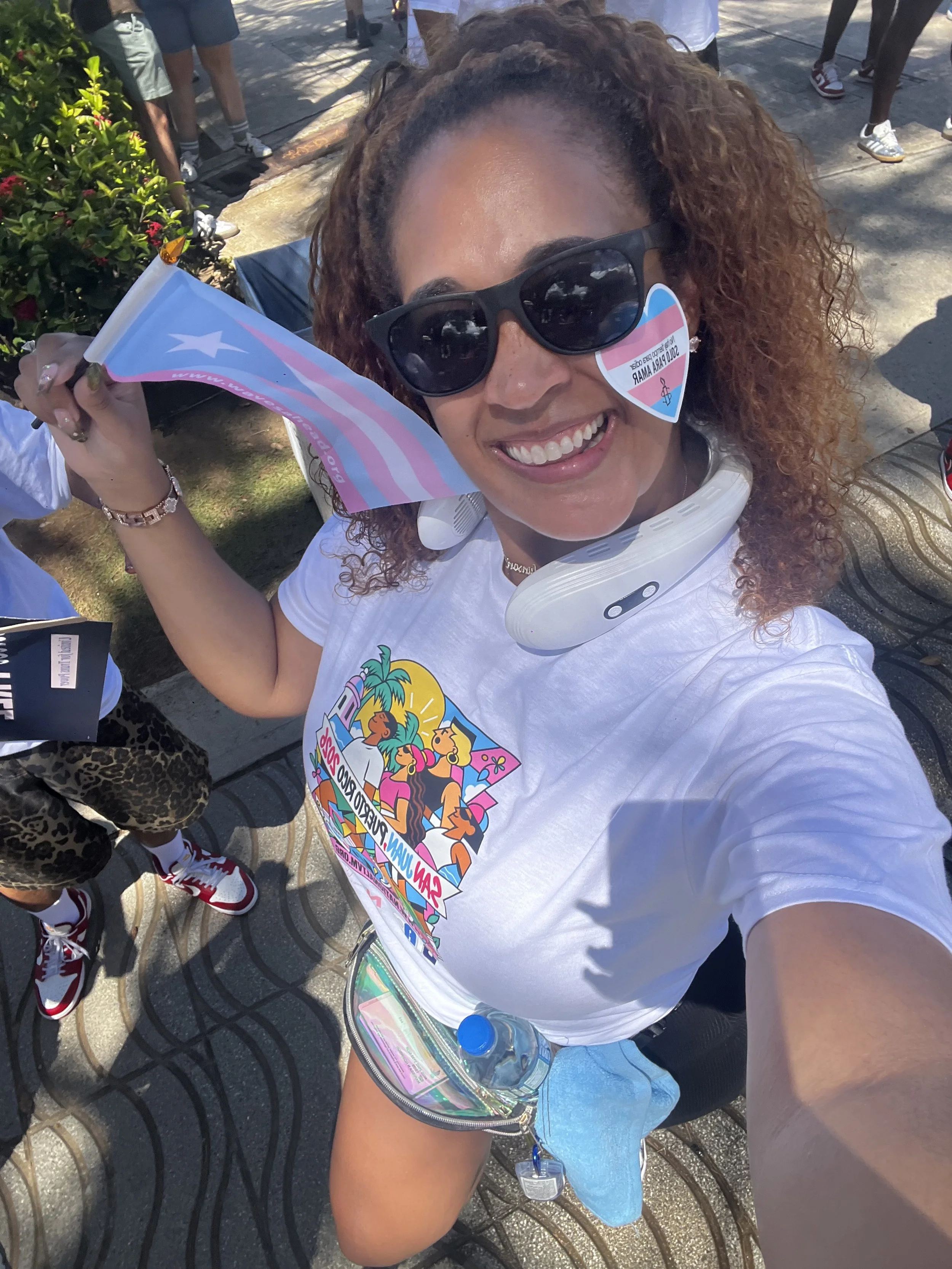


I recently traveled to San Juan, Puerto Rico, for the National Trans Visibility March convening, and I came home thinking about what it means to show up for people beyond a statement, a social media post, or a moment of recognition.
My heart was full. I also had a question I wanted to bring home with me: How do we make our support visible in the decisions we make every day?
As a public health professional, researcher, and educator, I spend a lot of time thinking about the relationship between what we say we value and what people actually experience. That relationship matters when we talk about supporting transgender communities.
People should be able to experience that support when they seek healthcare, enter a classroom, apply for a job, or participate in a community event. It should be something they can count on.
Visibility comes with responsibility
Visibility can create opportunities for connection, recognition, and belonging, but being seen doesn’t automatically mean someone is safe, supported, or heard.
That distinction stayed with me.
When we celebrate trans visibility, we also have a responsibility to consider the conditions people are navigating. Are our organizations welcoming? Do our services reflect the people we say we serve? Can someone raise a concern and trust that we’ll respond?
Those questions belong in our everyday work.
Support needs somewhere to go
For those of us who identify as allies, there are practical ways to turn that intention into action:
Listen to trans people and respect their expertise. Their experiences should inform decisions that affect their lives.
Look at the spaces you influence. Review your forms, language, policies, and practices, then address what makes participation or access harder.
Support trans leadership. Create paid opportunities, share resources, and recognize the work people are already doing.
Speak up when someone causes harm. That includes conversations with colleagues, friends, and family.
Keep showing up. Relationships need attention after the event ends and the social media conversation moves on.
You don’t have to know everything to begin. You do need to be willing to listen, learn, and act.
This is public health work
My work in HIV prevention and sexual health continually brings me back to questions of trust, dignity, and access, including whether people feel respected enough to seek care and supported enough to return.
Those experiences matter.
Public health professionals have a responsibility to examine how our own institutions shape them. Community engagement should help determine our priorities, influence how we use resources, and inform how we assess our work.
Attending the convening gave me space to reflect on that responsibility and the ways I want to carry it into my consulting, teaching, and community partnerships.
I left San Juan grateful for the opportunity to connect and with a renewed commitment to make that reflection useful. The next step is in the everyday choices.
If you say you support trans people, where can someone see that support in your work, your relationships, or your community?