Breaking Barriers: Key Takeaways from the Howard University International Stigma Conference
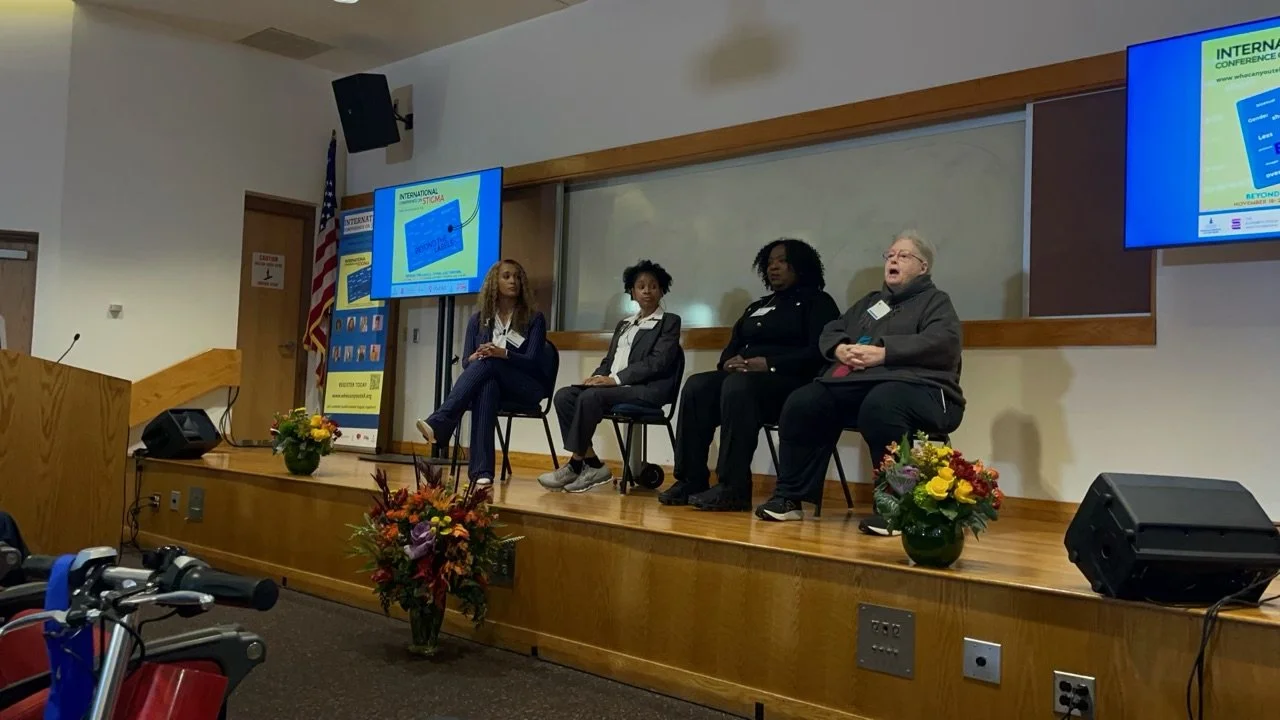
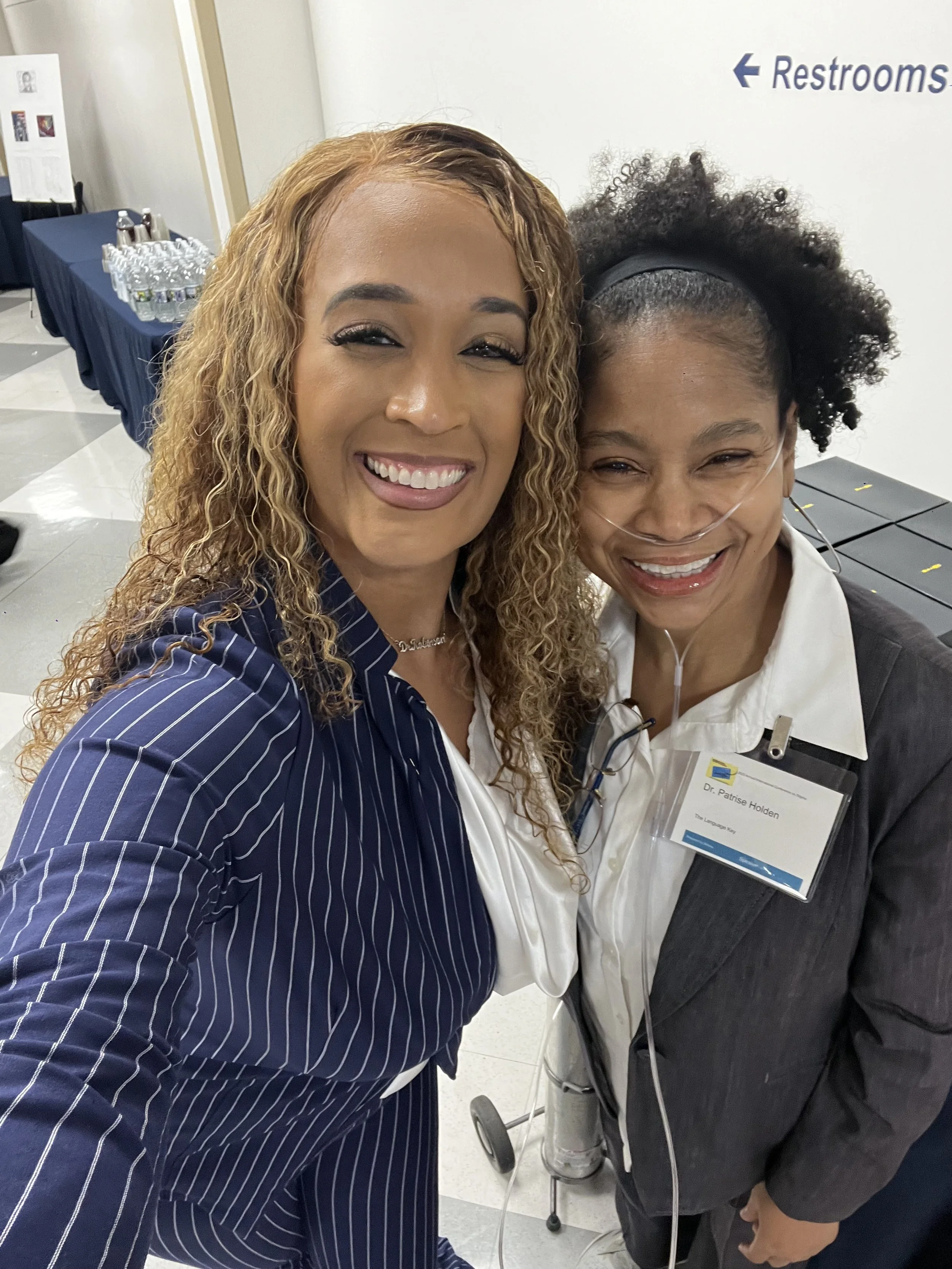
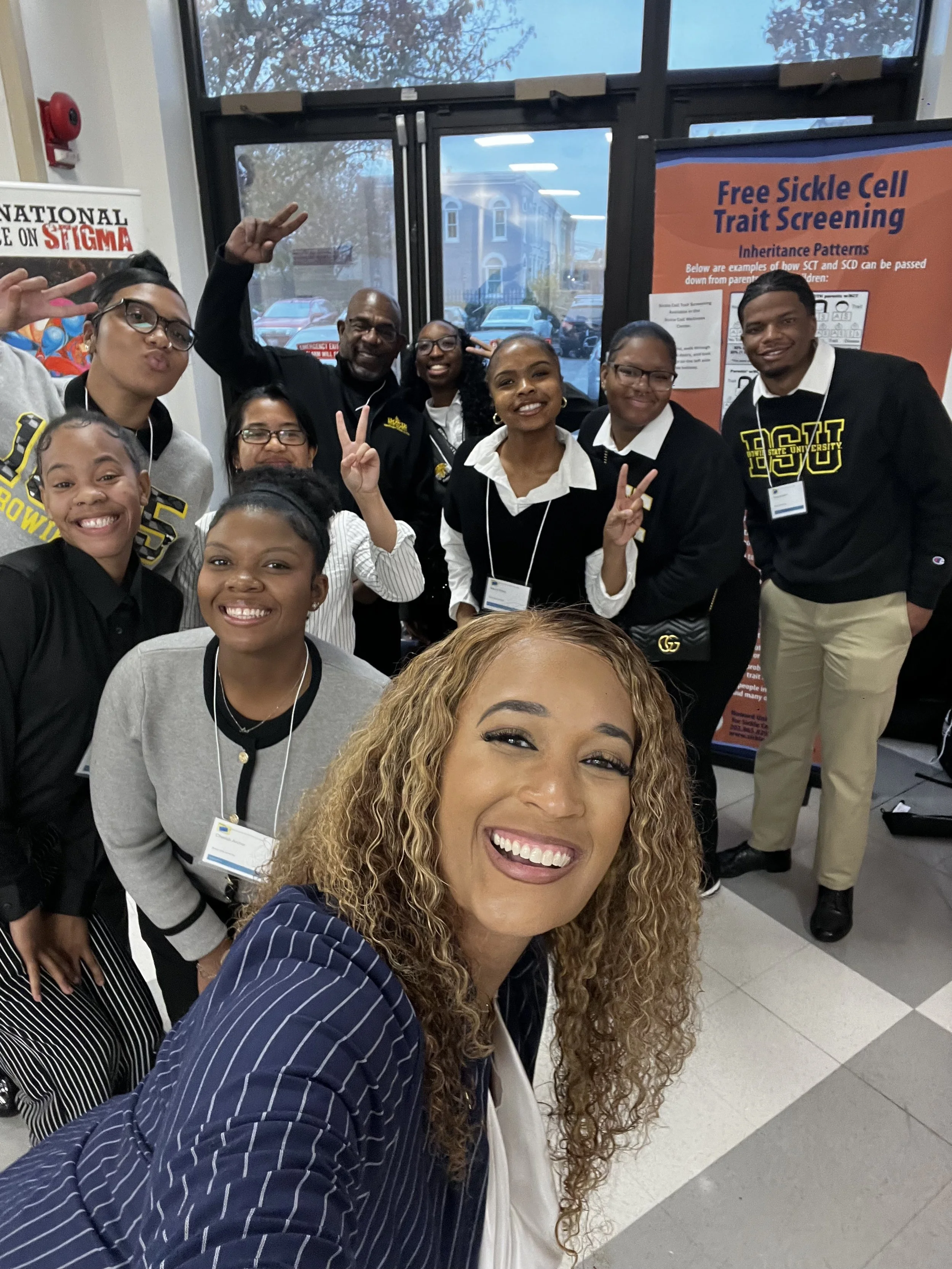

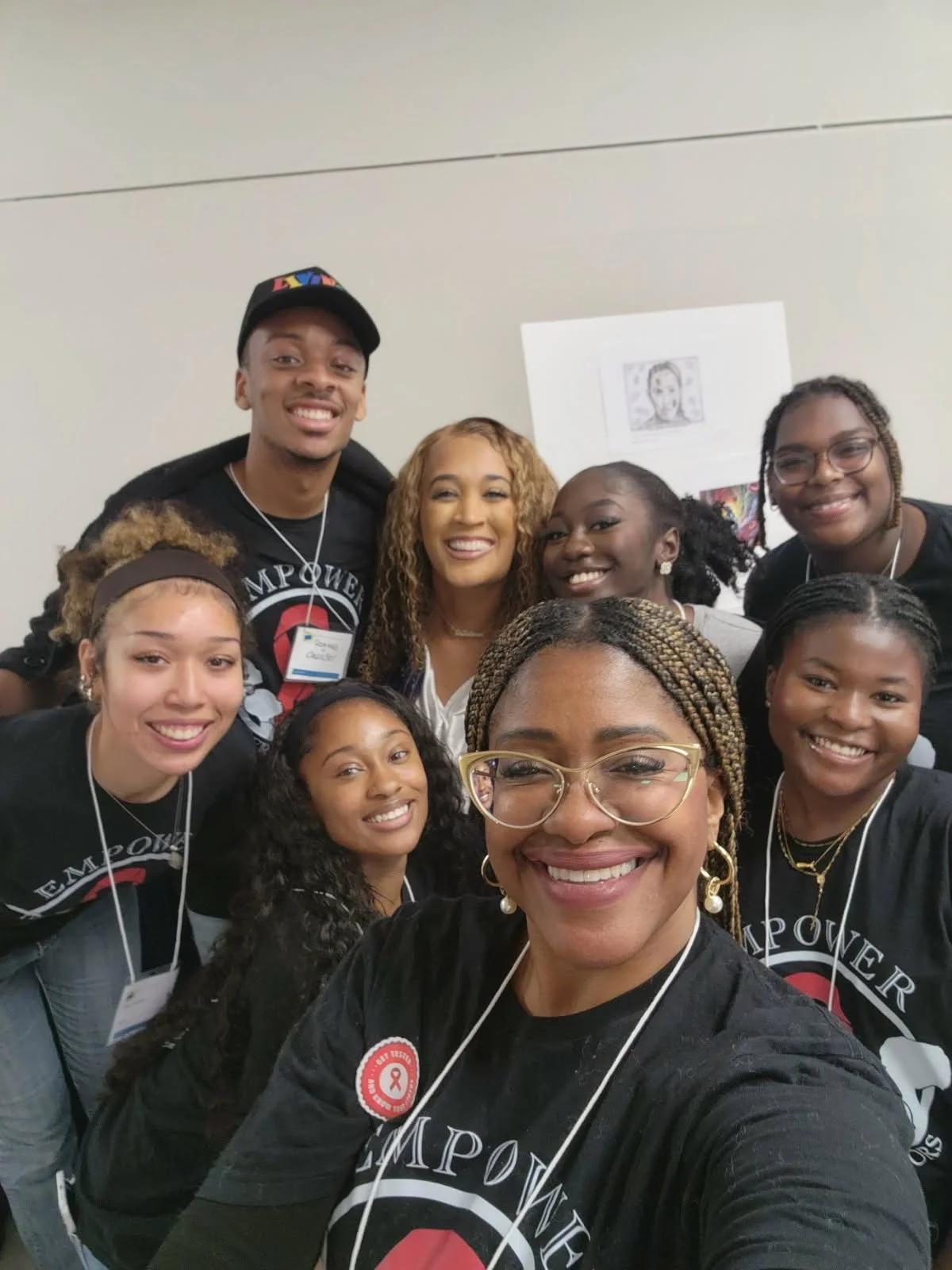
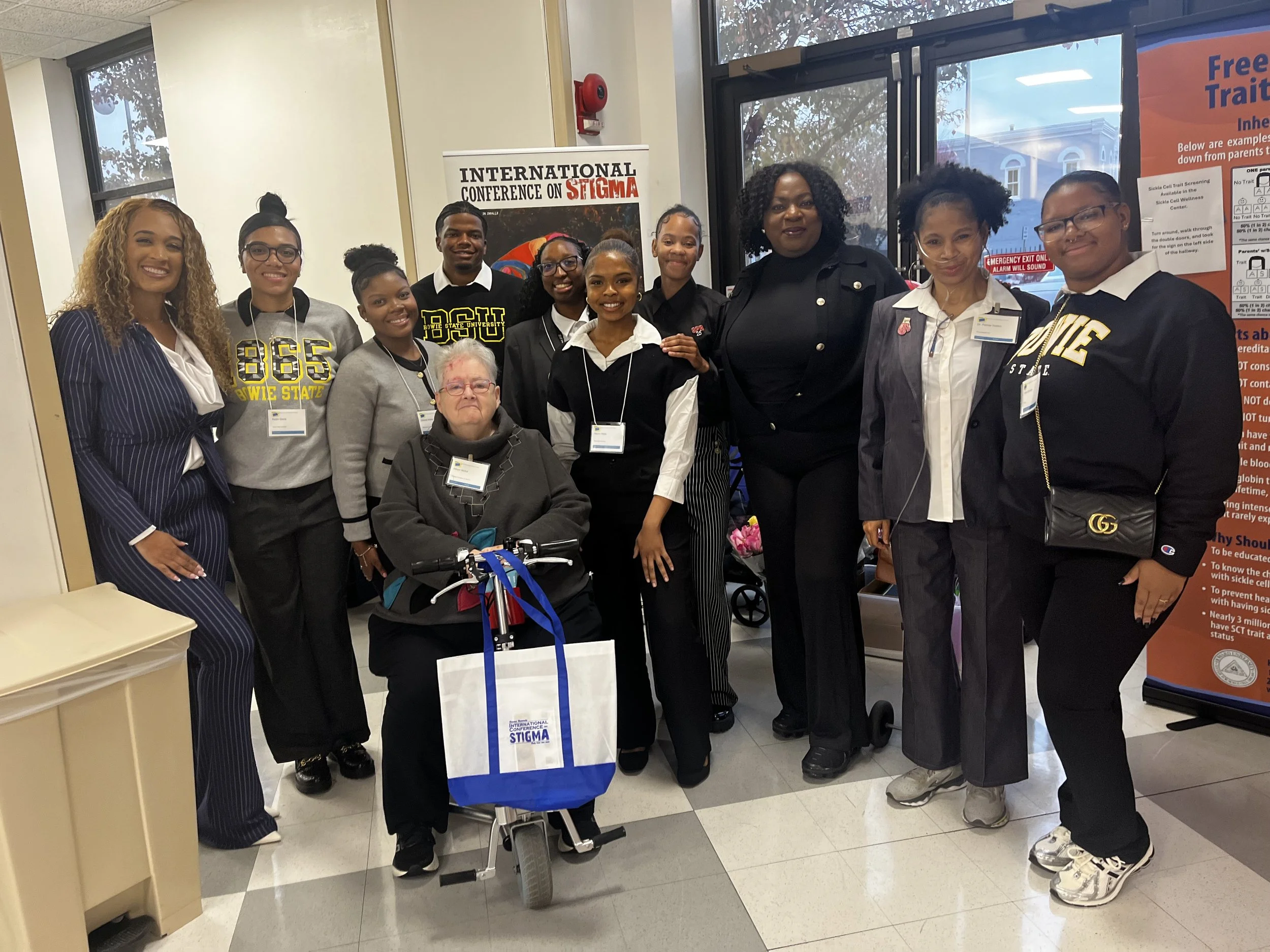
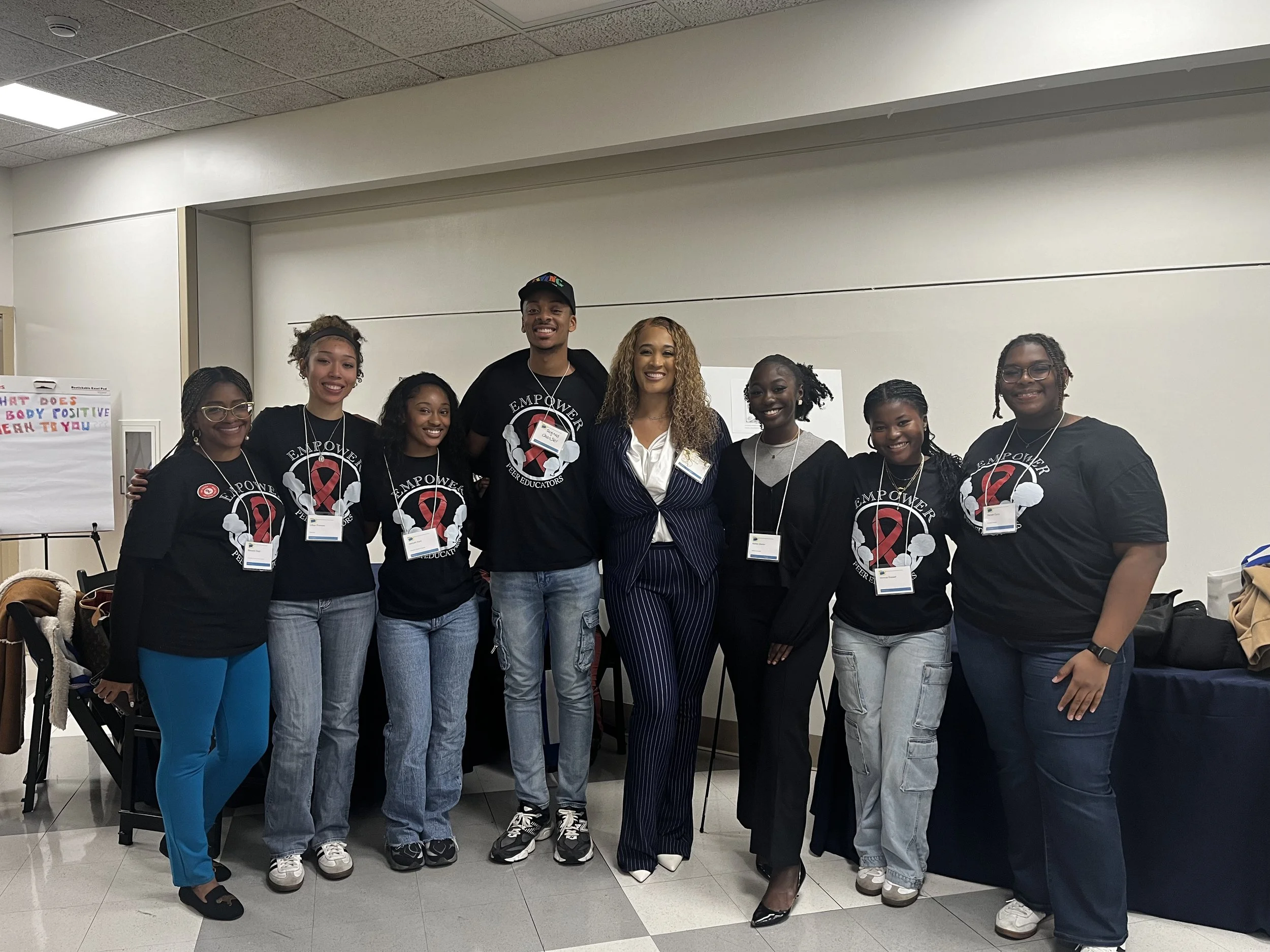
Last week, I had the honor of moderating the plenary session at the Howard University International Stigma Conference alongside Tori Cooper, Dr. Patrise Holden, and Allison Nichols. The session focused on addressing stigma across HIV, Epilepsy, and Sickle Cell, creating a space for honest, solution-driven dialogue on how stigma impacts health outcomes and access to care.
One theme resonated deeply. Stigma is not just personal, it is structural. Policies, systemic inequities, and social norms often reinforce negative perceptions and limit access to treatment and support. From HIV prevention to chronic disease management, the message was clear, addressing stigma requires intentionality at every level, community, institutional, and individual.
A highlight of the plenary was the candid discussion on strategies to shift narratives through storytelling, research, and community-driven campaigns. These approaches reminded us that centering lived experience is critical. Those most affected by stigma must have a seat at the table when designing solutions.
Moderating this session reaffirmed my commitment to amplifying voices, breaking down barriers, and creating spaces where honest conversations can thrive. For anyone working in health, education, or policy, the takeaway is simple. Stigma is not inevitable, it is a challenge we can actively dismantle.
I would love to hear your thoughts. How do you see stigma impacting your community or work? Share your reflections in the comments, tag a colleague, or join the conversation on social media using #BreakStigma #HealthEquity #PublicHealth.