National HIV Testing Day: Why Conversations Still Matter
Every year on June 27, National HIV Testing Day reminds us of something that seems simple, yet remains incredibly powerful: knowing your status is an act of self-care.
Testing is more than a clinical service. It is a doorway to prevention, treatment, community, and empowerment.
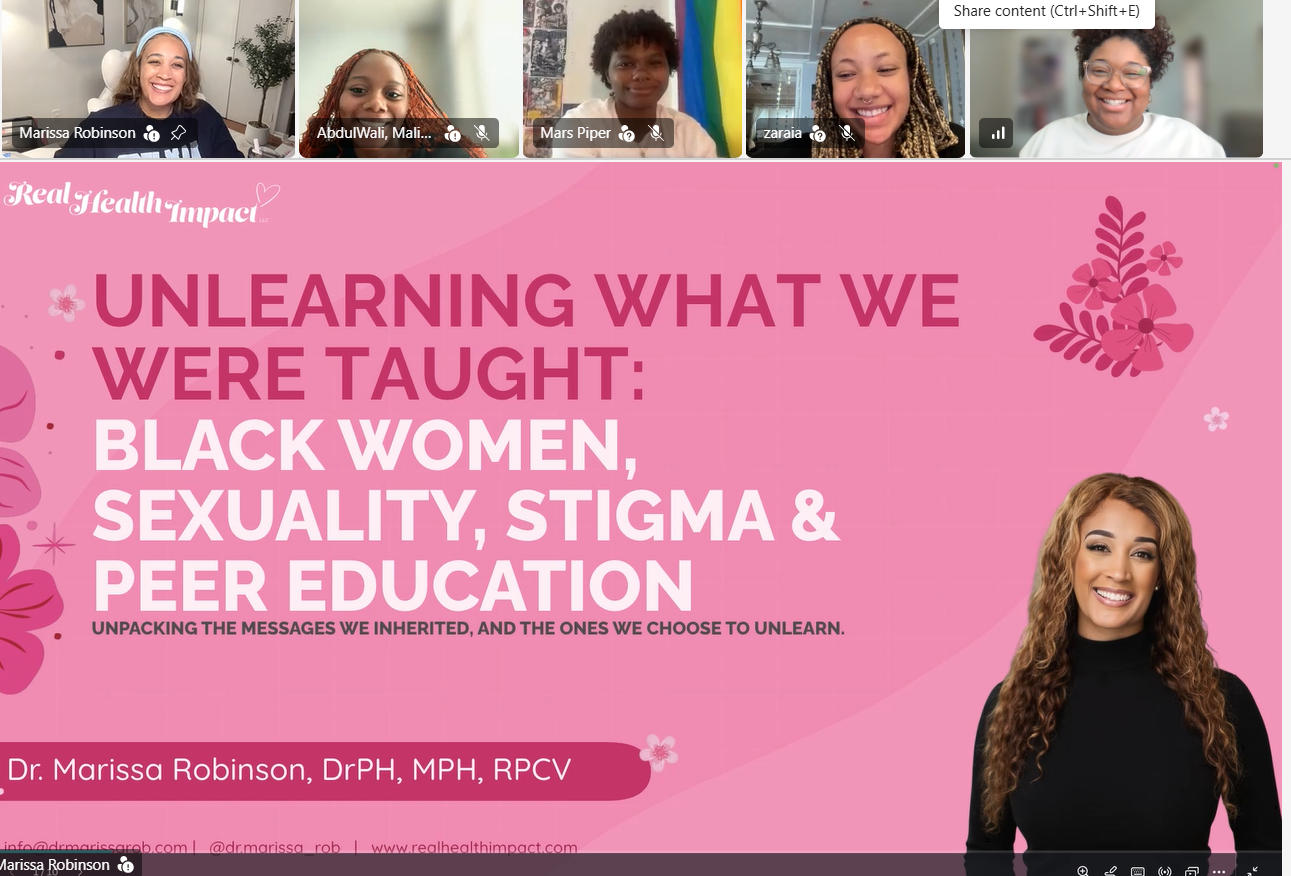
This week, I had the pleasure of guest lecturing for the Spill the Tea Series with the Ambassadors, where we explored a topic that is deeply personal to me:
"Unlearning What We Were Taught: Black Women, Sexuality, Stigma & Peer Education."
Together, we unpacked the messages many of us inherited about sex, relationships, HIV, and our bodies. We talked about how stigma is often passed from generation to generation, and how peer education can help replace fear with facts, shame with confidence, and silence with conversation.
One of the biggest takeaways from our discussion was this:
You cannot make informed decisions about your health if you don't have accurate information.
That includes HIV testing.
Despite incredible scientific advances, stigma continues to prevent too many people from getting tested. Fear of judgment, misinformation, and outdated narratives still keep individuals from walking through the clinic door or ordering an at-home test.
The reality is that HIV testing is a normal part of preventive healthcare.
Whether your result is negative or positive, testing gives you information you can use to take control of your health. It opens the door to prevention options like PrEP or, if needed, treatment that allows people living with HIV to live long, healthy lives and achieve viral suppression.
As someone who has dedicated my career to HIV prevention and community engagement, I continue to believe that our greatest tool is conversation.
When we create spaces where people feel seen, heard, and informed, we reduce stigma. We build trust. And we empower communities to make decisions that support their health and well-being.
On this National HIV Testing Day, I encourage you to do three things:
Know your status.
Encourage someone you love to get tested.
Continue having honest conversations that challenge stigma and promote health.
Thank you to the Spill the Tea Ambassadors for inviting me to be part of such a meaningful conversation. Your thoughtful questions, openness, and commitment to learning reminded me why this work continues to matter.
Here's to replacing myths with knowledge, fear with compassion, and silence with action.
Know your status. Know your power.